Brain tumour surgery
Control of capillary and venous bleeding at the cortex and in brain parenchyma.
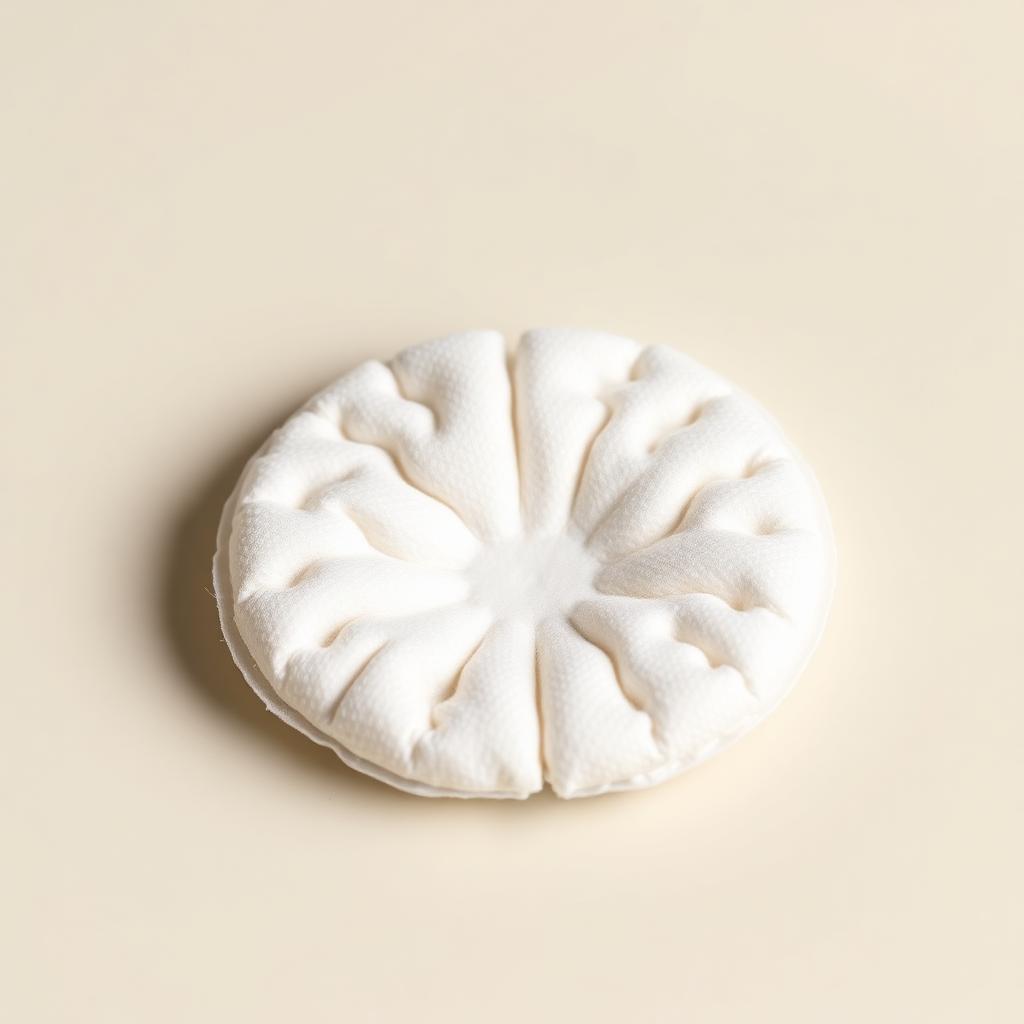
A specialised absorbable hemostat for neurosurgery — removing the need for a second operation to retrieve the hemostat from the skull.
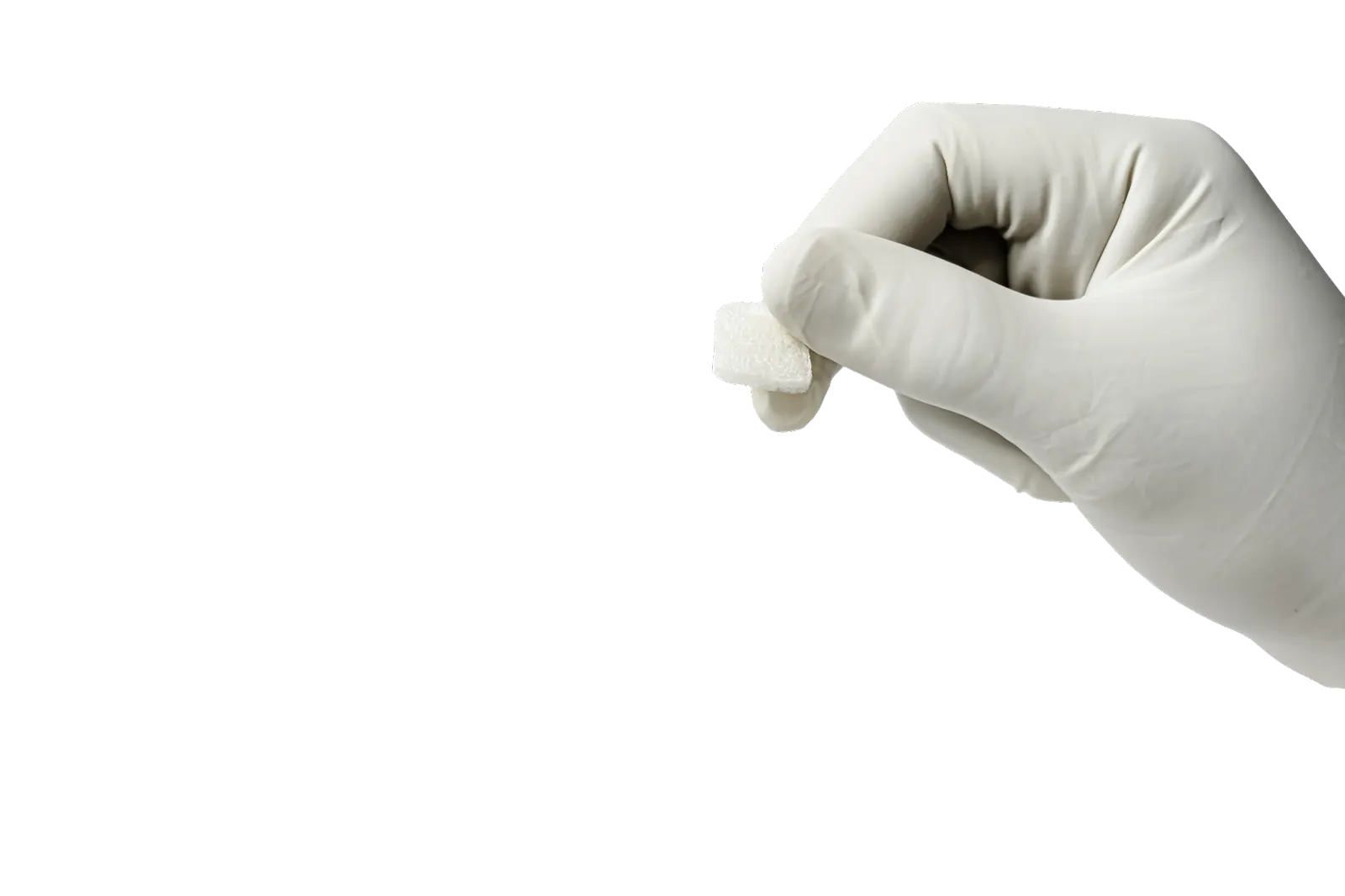
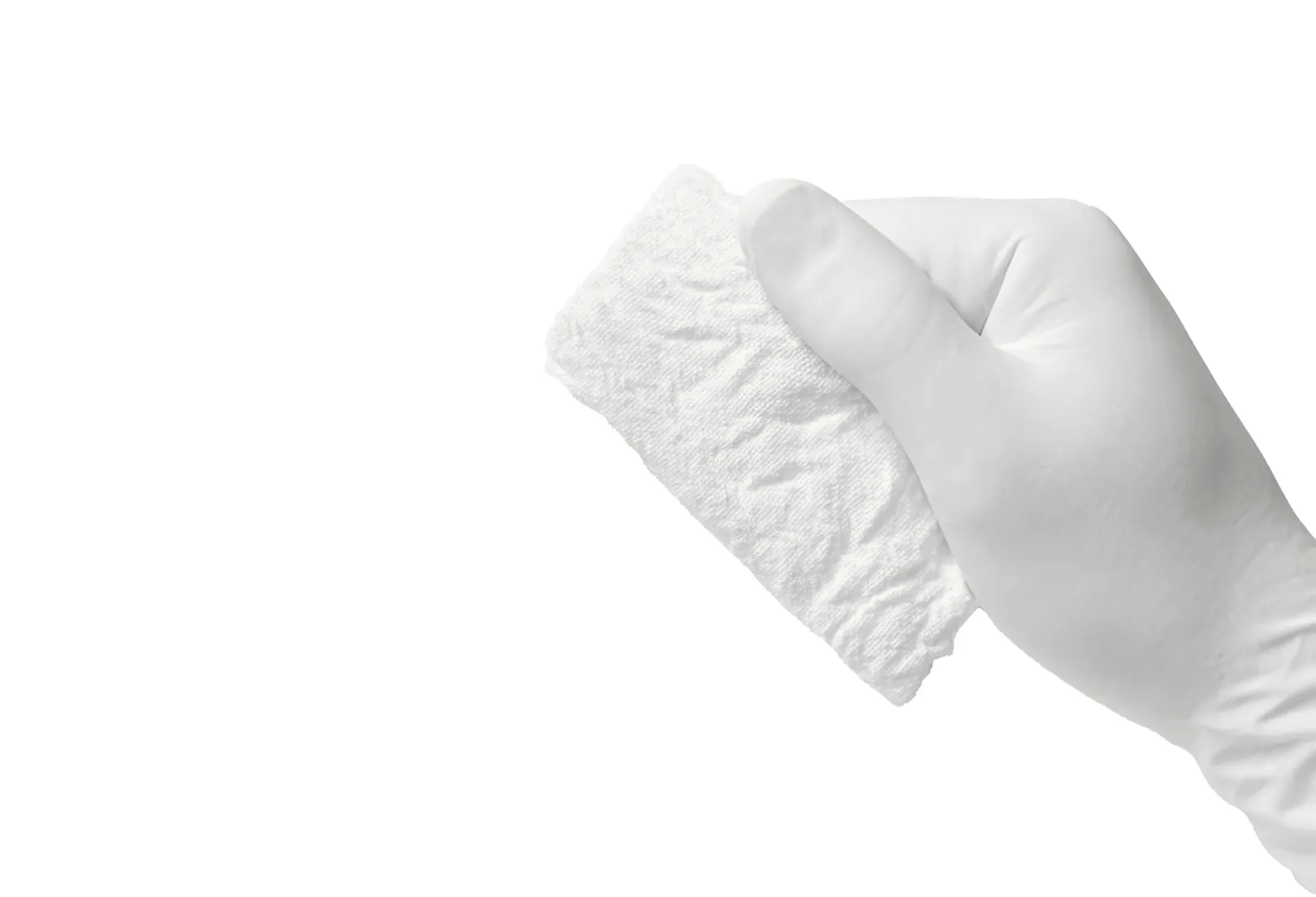
Healda's hemostatic fibrils and brain pads are an advanced generation of hemostatic agents based on oxidised regenerated cellulose (ORC), developed specifically for bleeding management in neurosurgery and other delicate tissue. Their fibrillar, layered structure creates a large contact surface with blood platelets and lowers the local pH, accelerating natural clot formation. The soft, pliable fibrils let the surgeon place the material easily into irregular surgical cavities and achieve hemostasis without damaging brain parenchyma.
Manufacturing takes place at Healda using modern biopolymer separation and purification technology. Thanks to their high biocompatibility, the pads need not be removed at the end of the procedure: they are absorbed completely through an enzymatic process without causing adhesions or secondary immune reactions. Beyond hemostasis, the acidic environment the fibrils create is bacteriostatic against a broad spectrum of bacterial pathogens, reducing the risk of post-operative infection in sensitive neurological procedures.
Control of capillary and venous bleeding at the cortex and in brain parenchyma.
Hemostasis in hard-to-reach sites and control of vascular leakage in aneurysm repair.
Used as a protective hemostatic layer in laminectomy and discectomy.
Prevention of bleeding from the dural sinuses after opening the skull.
Prevention of secondary adhesions and control of bleeding in sensitive cranial regions.
The status of national and international certifications for this product.
| Certification | Description | Status |
|---|---|---|
| ISO 13485:2016 | Quality management system for medical devices | In progress |
| ISO 10993 | Biocompatibility evaluation | In progress |
| Pre-clinical studies | Animal studies in progress | In progress |
| IRC | Iranian Ministry of Health marketing authorisation | Planned |
Fill in the form to request the technical catalogue, pricing or distribution terms.
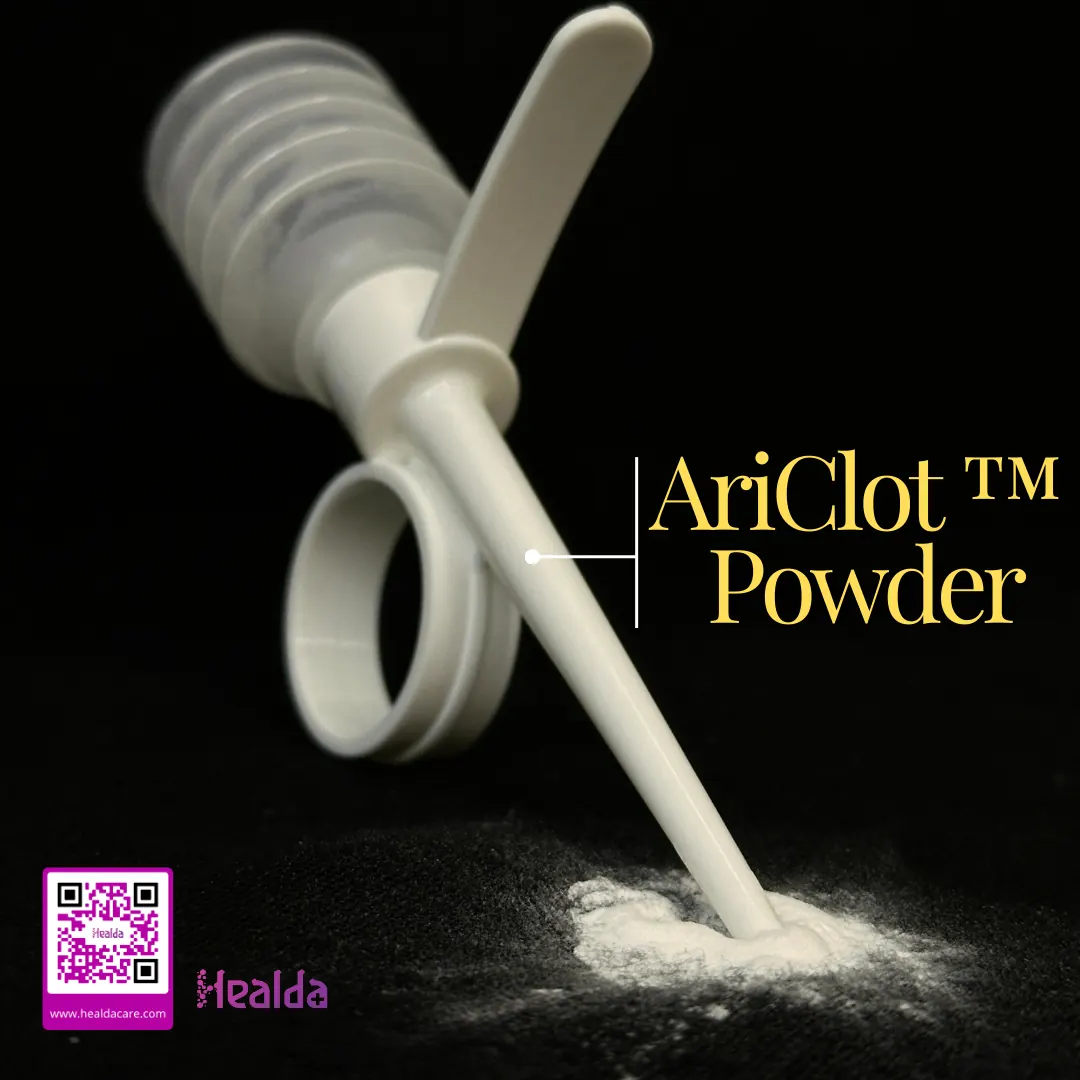
Third-generation absorbable hemostatic powder — sterile single-use applicator
Absorbable AriClot hemostatic sponge that stops bleeding fast and provides a three-dimensional scaffold for tissue regeneration in surgery and dentis…
The Fast Track to Bleeding Control — arterial and venous hemostasis